Crabgrass spreads fast because most dads act too late in the season. Hit it with a pre-emergent herbicide in early spring before soil temps hit 55°F, then pull or spot-treat whatever breaks through. Do it right once and your lawn will thank you all summer.
Here's the deal: crabgrass is a warm-season annual weed that germinates from seed every single year. It's not the same plant coming back — it's millions of new ones hatching from seeds your lawn has been sitting on all winter.
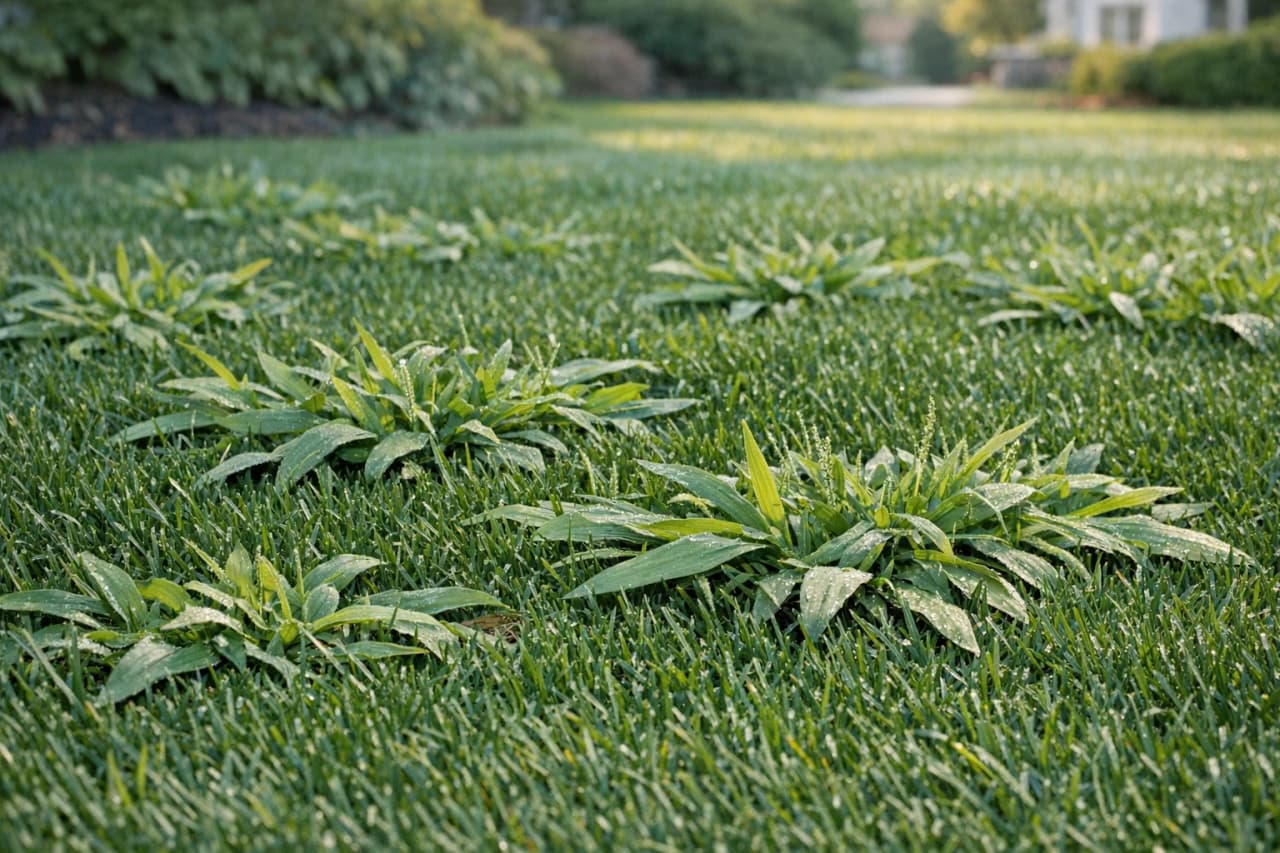
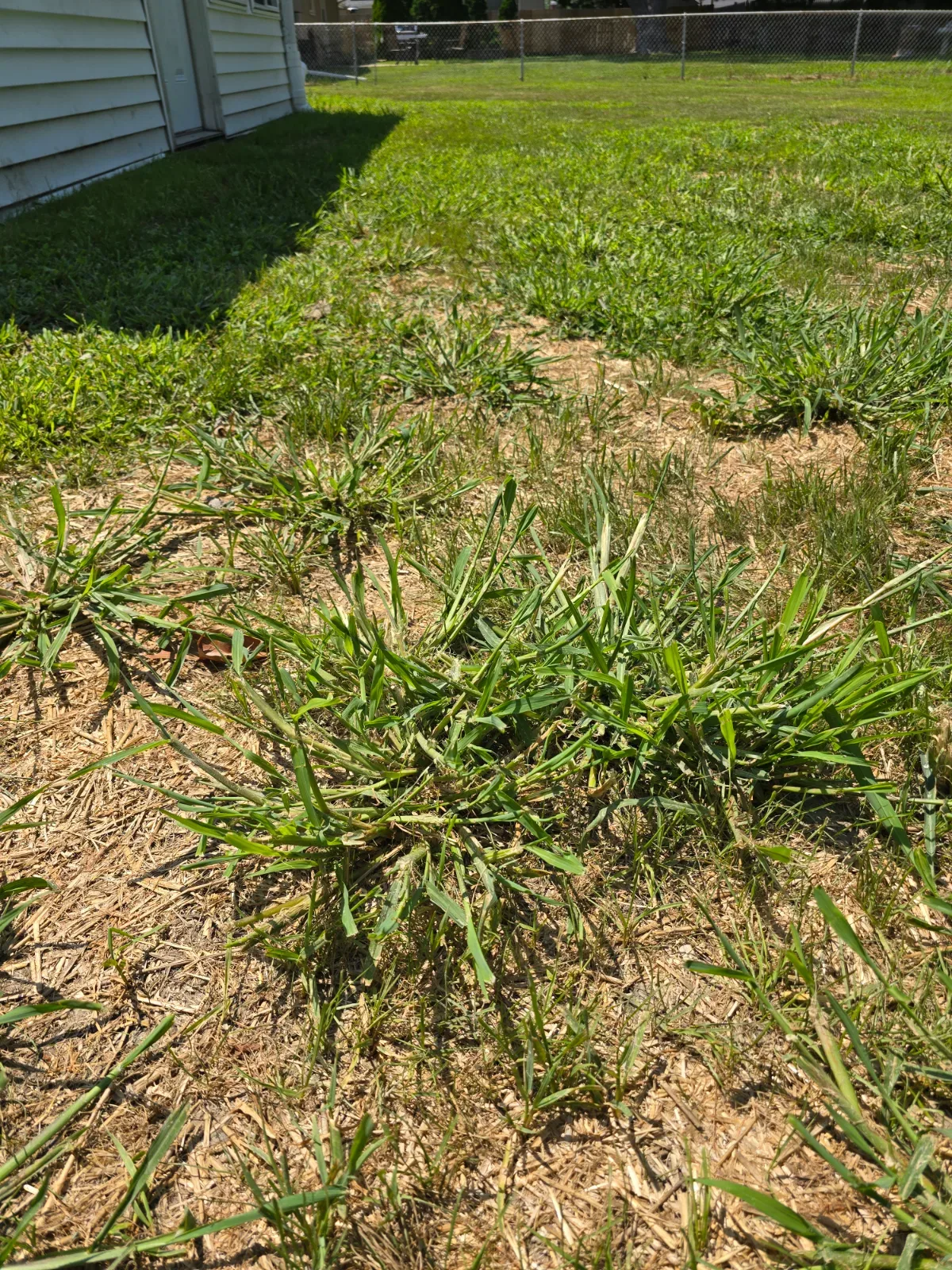
Visually, it's pretty easy to ID once you know what you're looking for. The blades are wider and lighter green than most turf grasses. It grows low and outward in a star or crab-like pattern — hence the name. In late summer you'll see finger-like seed heads fanning out from the center.
The most common type you'll fight in the Midwest and most of the U.S. is large crabgrass (*Digitaria sanguinalis*). Smooth crabgrass is smaller but just as stubborn. Both thrive in thin, stressed, or bare patches of lawn — the exact spots most of our yards already have. If your lawn has gaps, crabgrass has an invitation.
One crabgrass plant produces up to 150,000 seeds before it dies in the first frost. Let that land for a second. Those seeds sit in your soil over winter and wait for soil temperatures to hit 55°F — then they explode.
The window to act is early spring, before that soil temp threshold. In central Illinois and most of the Midwest, that's typically late March to mid-April, though it shifts year to year. A $15 soil thermometer from any garden center takes the guesswork out of it completely.
If you miss the pre-emergent window and crabgrass is already visible, you're in reactive mode — which means hand-pulling or post-emergent herbicide. Neither is as clean as getting ahead of it. The dad who acts in April does about 10% of the work the dad who waits until July has to do. Sometimes, good enough is good enough — but early beats easy every time with crabgrass.
If you've got a small infestation or you just want to keep chemicals out of the picture entirely, there are solid options that actually work.
**Hand-pulling** is most effective when the soil is moist and the plant is young — before it seeds. Get the whole root or it grows back. A hand weeder or stand-up weed puller makes this faster on your knees and your back. Pull into a bag immediately so seeds don't drop.
**Mulching** bare spots and garden borders cuts off the sunlight crabgrass seeds need to germinate. Two to three inches of wood chip mulch in problem areas does real work. It won't help in the lawn itself, but along edges and beds it's a legitimate barrier.
**Watering habits** matter more than most dads realize. Shallow daily watering keeps the top inch of soil moist — which is exactly where crabgrass seeds germinate. Switch to deep watering two to three times per week. You're pushing roots down, thickening your turf, and making life harder for weeds. That's a win with zero product cost.
Chemical control doesn't have to be complicated. There are two types, and they do two completely different jobs.
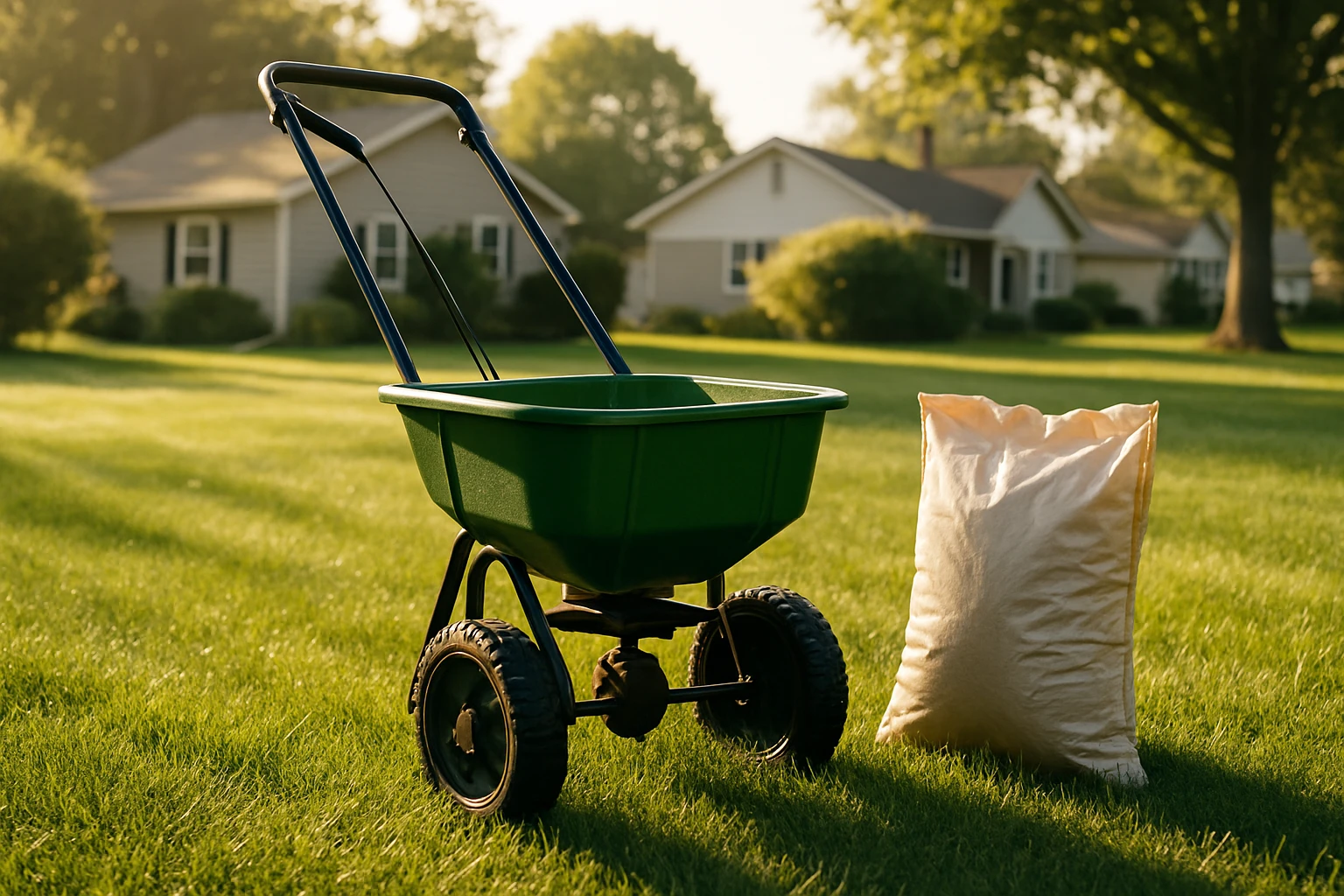
**Pre-emergent herbicides** create a chemical barrier in the soil that stops crabgrass seeds from germinating. They do nothing to plants already up. Timing is everything — apply when soil hits 50–55°F and before you see any green. Common active ingredients to look for: prodiamine (Barricade) or dithiopyr (Dimension). Granular formulas are the easiest for dads using a standard broadcast spreader.
**Post-emergent herbicides** kill crabgrass that's already growing. They work best on young plants with fewer than five tillers (side shoots). Once crabgrass matures and seeds, post-emergents lose effectiveness fast. Look for quinclorac-based products — they're widely available and work on most lawn types. Always check the label for your specific turf grass, because some formulas will damage fescue, St. Augustine, or other varieties.
Bottom line: pre-emergent in spring, post-emergent as backup. Don't skip the label — it's the whole game.
Real talk: if you've got a toddler who eats grass or a dog that rolls in everything, this section matters more than any of the others.
Most granular pre-emergents are considered low-risk once watered in and dry, but you still need to keep kids and pets off the lawn until the product is fully watered in and the grass blades are dry. That window is usually 24 hours — check your specific label.
For post-emergents, the same rule applies. Liquid sprays need full dry time before re-entry. Some products list a longer window — respect it. The label is a legal document, not a suggestion.
If you want to skip synthetic herbicides entirely for the season, corn gluten meal is an organic pre-emergent option. It's less potent than synthetic prodiamine, but it's OMRI-listed and generally considered safe around kids and pets once dry. You'll need to apply it at a higher rate and re-apply mid-season for meaningful results.
And after any treatment, wash hands, rinse tools, and store product in original containers out of reach. Basic stuff — but worth saying out loud.
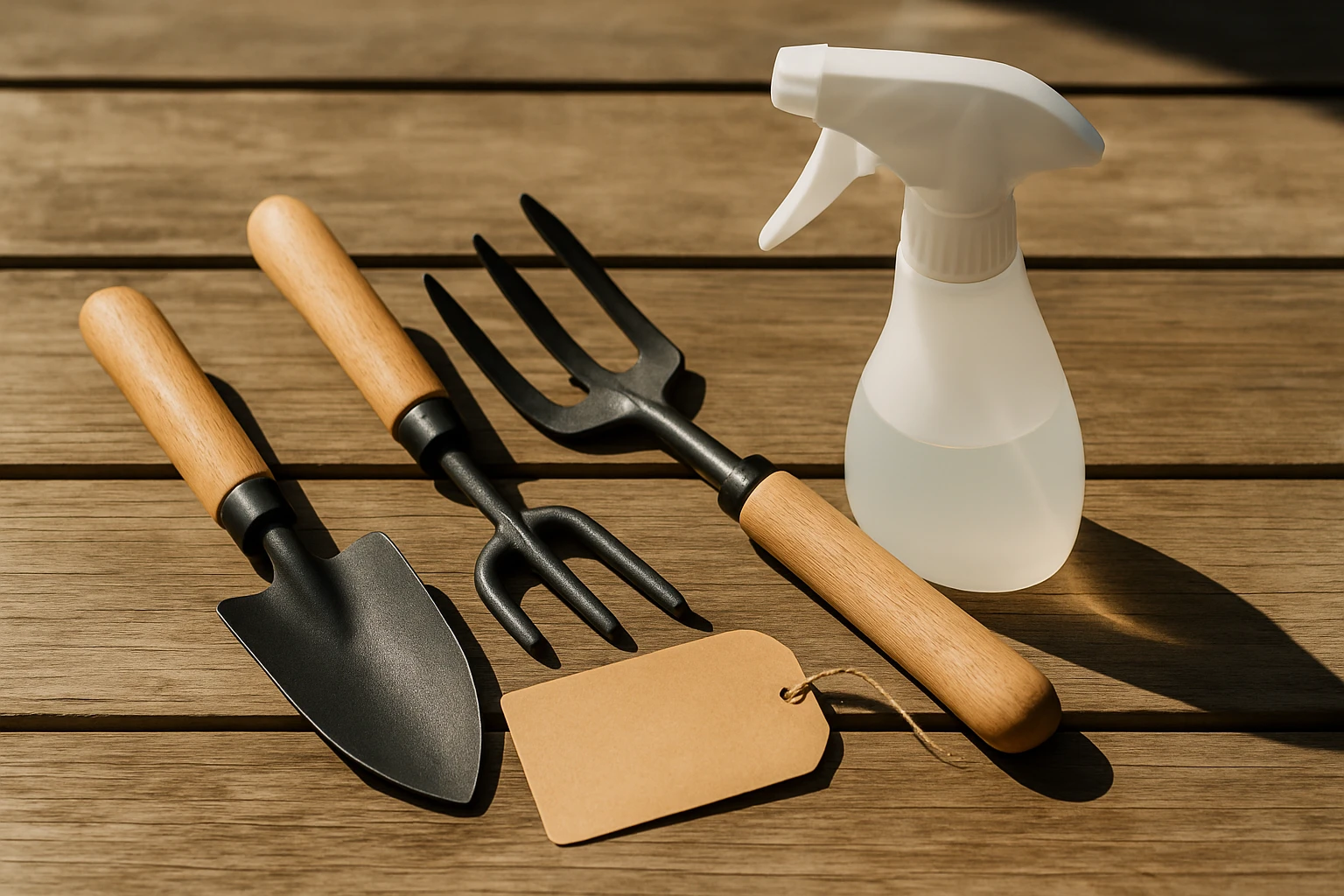
Your single most important next step: buy a soil thermometer today and check it every few days starting in late March.\n\nWhen it hits 50°F, you've got a narrow window to lay down pre-emergent and own your lawn for the whole season. Miss it and you're pulling weeds in July. Don't miss it.
STIHL KMA 135 R KombiMotor Review: One Power Head, Every Job
Ask the Boss
Got a follow-up on this one? Ask the Boss.
Liked this guide?
One email a week — only when there's something new. No spam. No sponsors.
Unsubscribe anytime.
Reviews
Check out the upcoming items on our bench list
— Made by Boss Daddy