Restoring a junker with your kid was never really about the car — it's about banking hundreds of hours of uninterrupted, side-by-side time that you can't manufacture any other way. Along the ride they learn to push through stuck bolts and hard problems, watch real money decisions up close, and end up with rolling proof that they can start something difficult and finish it. Skip the dream car and the perfect garage; you just need a beater, a basic set of tools, and a Saturday to get going.
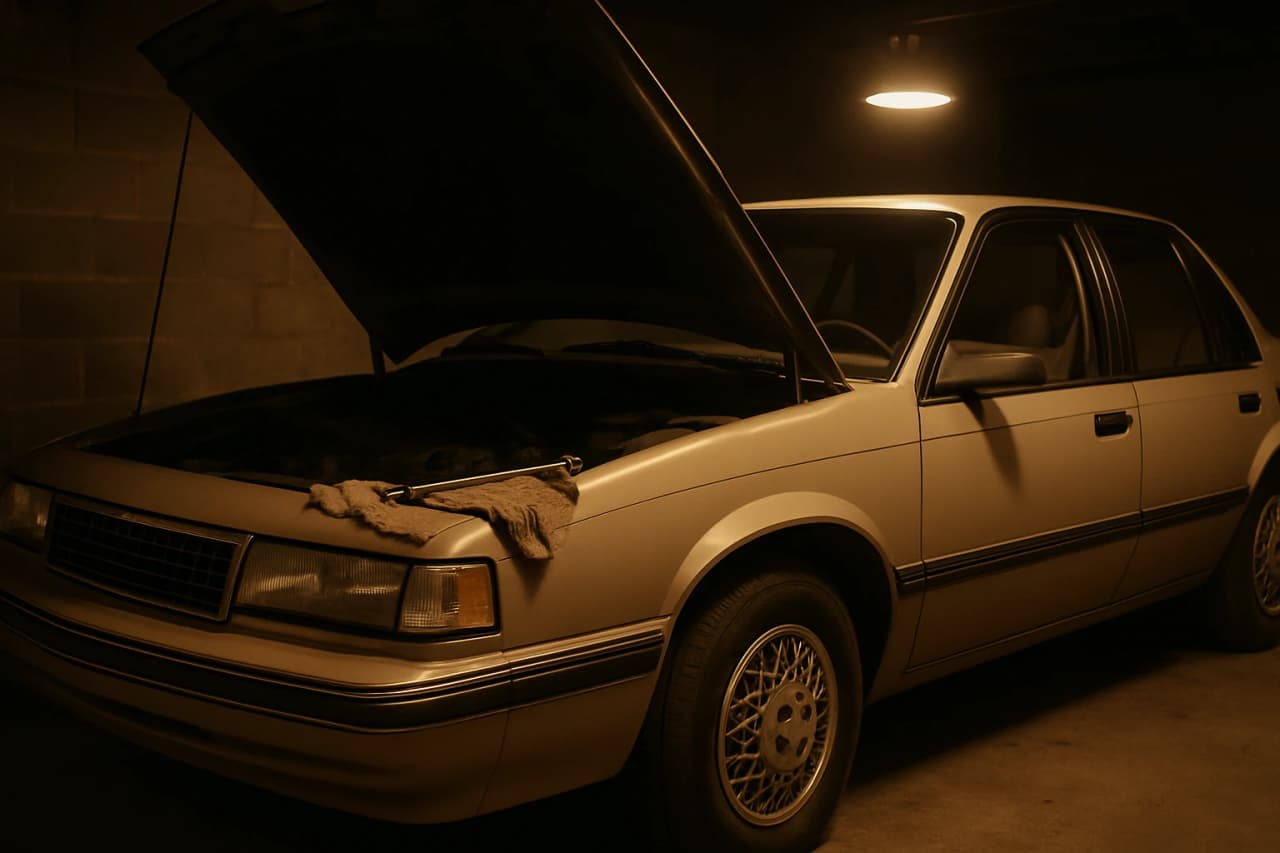
I still remember the smell of that old' beige 1989 Buick Skylark — motor oil, old rubber hoses, and the smell of that black coffee my dad was always drinking out of that scratched-up thermos. It wasn't the muscle car I'd been dreaming about, but I didn't know yet that the car was never really the point.
Here's the deal: Nobody looks back at 47 years old and gets choked up about the time they signed paperwork under fluorescent lights while a finance guy explained gap insurance. Well, at least not me.
What you do remember — what sticks — is the Saturday afternoon your dad handed you a socket wrench and trusted you with something real. My dad and I pulled the head off that Skylark, replaced the radiator, ran new hoses and wires, changed the plugs. None of it was glamorous. Most of it was uncomfortable. A good chunk of it involved language I probably shouldn't repeat.
But every one of those hours was time. Uninterrupted, undistracted, side-by-side time that you simply cannot manufacture any other way. He wasn't checking his phone. I wasn't zoning out on a screen. We were both locked into the same problem, the same goal, and each other.
Now that he's gone, I'd give anything to cuss at one more stuck bolt next to him. That's what I want my daughter to have someday — not the car, but the hours. The greasy, aggravating, irreplaceable hours. Restoring a junker together is how you bank that kind of memory. Nothing else comes close.
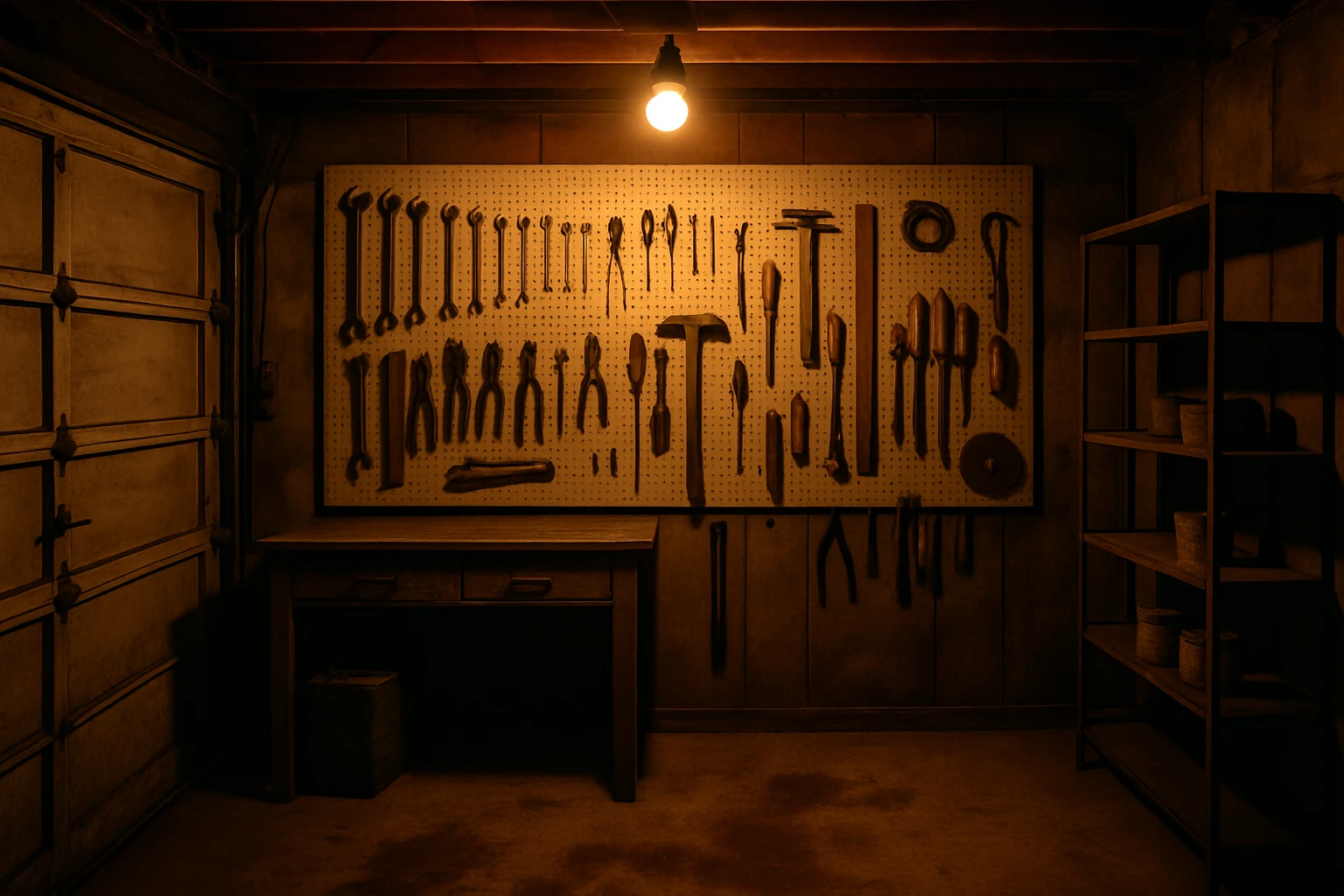
Real talk: the moment a project gets hard is the moment it gets valuable. Any dad who has wrestled a rounded-off bolt at 6pm on a Sunday, with the parts store already closed and a kid watching, knows exactly what I mean.
That moment is a classroom. Your kid is watching how you handle frustration, how you problem-solve, whether you quit or you adapt. When you reach for the PB Blaster, let it soak, come back at it with a different approach, and finally get that thing to break loose — you just taught a lesson that no participation trophy can replicate.
We were not a wealthy family. Buying new wasn't usually an option, so we learned to fix things. Vehicles, appliances, whatever broke. My dad had old-timer tricks I've never seen written down anywhere, passed down through necessity and repetition. Those tricks live in my hands now. That knowledge doesn't come from a YouTube video — it comes from standing next to someone who's already made every mistake.
Shared struggle builds trust in a way that shared comfort never will. When your kid pushes through a hard moment beside you, they learn that hard moments end, that they are capable, and to never quit when things get tough.. That is not a small thing.
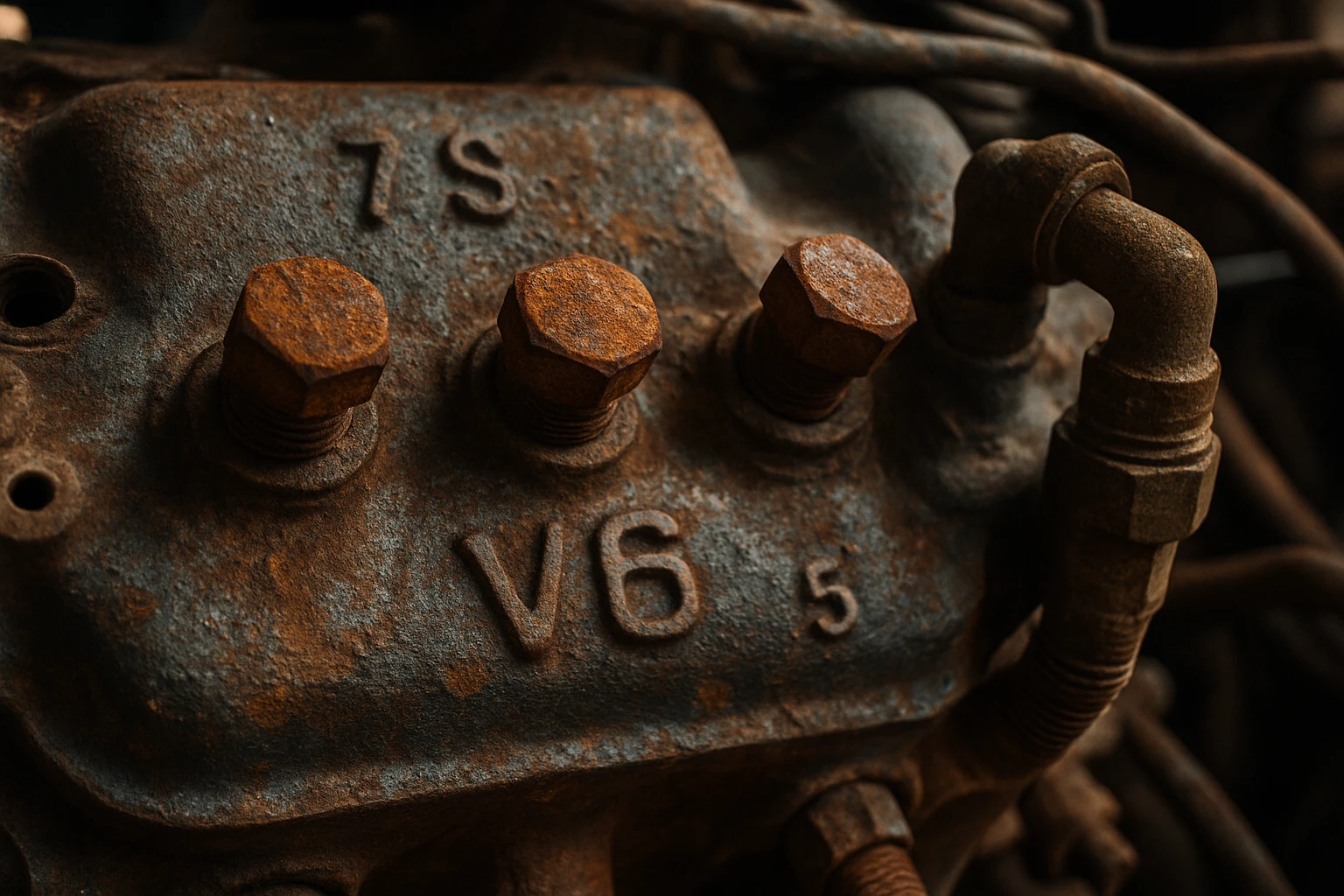
Let's run the numbers for a second, because this matters. A decent project beater — something drivable but rough — can often be found in the $1,500 to $3,000 range. Spread a parts and supplies budget of another $1,500 to $2,500 over six to twelve months of weekends and you're looking at a total investment somewhere in the $3,000 to $5,500 range for a solid, reliable driver.
Compare that to 48 months of used car payments at current interest rates. You're looking at $350 to $500 a month before insurance — call it $17,000 to $24,000 over the life of the loan, a chunk of which goes straight to interest. Your kid doesn't see that math at a dealership. They just see you sign and drive.
But in the garage, they see every receipt. They watch you decide between the cheap part and the quality part. They hear you weigh whether to do a job yourself or pay a shop. That is a financial education that compounds for decades.
I grew up watching my dad make careful, patient decisions about money because he had to. I didn't fully appreciate it then. I absolutely appreciate it now. Sometimes, the cheapy is good enough — and sometimes you need to buy the right part once instead of the cheap part twice. Your kid needs to learn both.
The fastest way to lose a kid on a long project is to let them become a spectator. The moment they're just watching you work, you've lost them — and honestly, you've lost the whole point of the exercise.
Give them a job at every session, even if it's small. At 14 months, my daughter can hand me something and feel the pride of being useful. At 6, a kid can sort fasteners, hold the light, or help clean parts. At 10, they can own a whole task — changing plugs, bleeding brakes, sanding bodywork. The job scales with the kid. What doesn't scale is letting them feel like a bystander.
Let them make decisions where it's safe to do so. What color interior? Which set of wheels do we run? Should we fix the radio or go without? Those choices build ownership, and ownership builds the pride that carries on for life.
Document everything together. Take photos at every stage — especially the ugly, torn-apart, nothing-is-working stage. When you're done and that car is running clean, those before photos will mean everything. My plan is to do exactly that when I eventually get my hands on a '57 Chevy Bel Air to restore with my daughter. That's my dad's car — his favorite — and doing it with her will be the most personal thing I build in my life. Every photo we take will be for her, and for him.
There is nothing like it. Nothing.
The first time you fire up an engine you both resurrected together and actually drive it — down the block, around the neighborhood, wherever — something happens that is very hard to put into words. It isn't just satisfaction. It's a specific kind of confidence that comes only from building something hard, by hand, start to finish.
You worked through the obstacles. They saw the project when it was dead on jackstands. They handed you tools when nothing was working. They pushed through the frustrating sessions and celebrated the small wins. And now they're rolling in something they helped make real.
That does something to a kid's self-image that no grade, no trophy, and no gift card will ever replicate. They now have proof — tangible, sitting-in-the-driveway proof — that they can start something difficult and finish it. That belief stays with them during every hard thing they face after this.
My dad never gave me a speech about resilience or grit. He just handed me a wrench and worked beside me. The 1989 Skylark wasn't the car I wanted. It turned into something better than the car I wanted. It turned into the standard I measure everything against — the proof that the most important lessons in life don't come easy, and that's exactly the point.
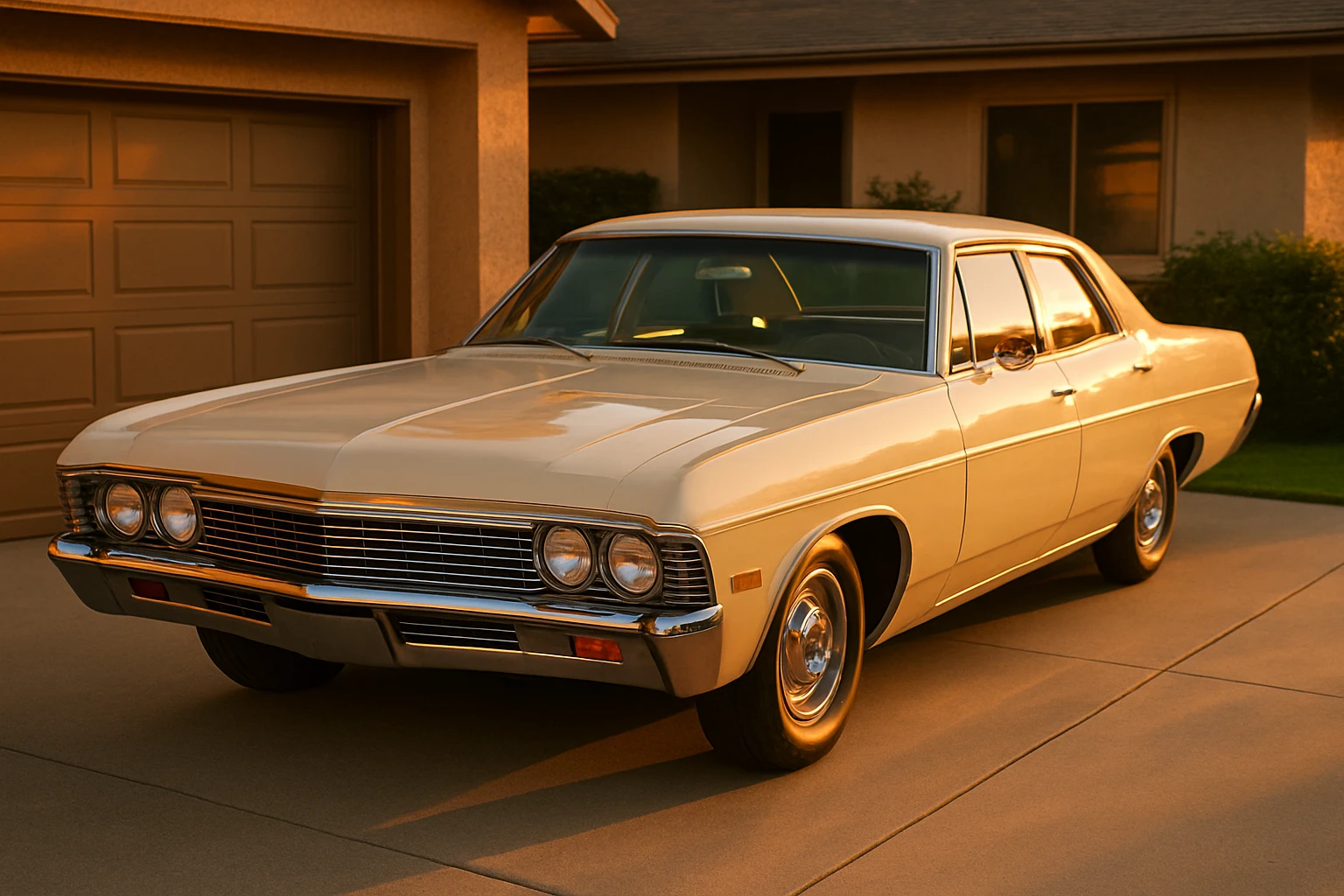
Start where you can. You don't need a dream car, a perfectly equipped garage, or a big budget. You need a beater, a basic set of tools, and a kid who just wants to be next to you. Pick a Saturday, pop the hood, and get going. I am looking forward to the day I will get to pop the hood on an old '57 Chevy Bel-Aire, which was the vehicle my father always talked about restoring, with my daughter. Partly for her, and partly as a tribute to my old man. I miss you pops.
Ask the Boss
Got a follow-up on this one? Ask the Boss.
Liked this guide?
One email a week — only when there's something new. No spam. No sponsors.
Unsubscribe anytime.
Check out the upcoming items on our bench list
— Made by Boss Daddy