Here's the deal: the number on the front of the tub is marketing. The number that matters is cost-per-gram of the active ingredient you actually need. I managed GNC and Vitamin Shoppe stores for years, and the single biggest mistake I watched guys make was comparing sticker prices instead of running the actual math.
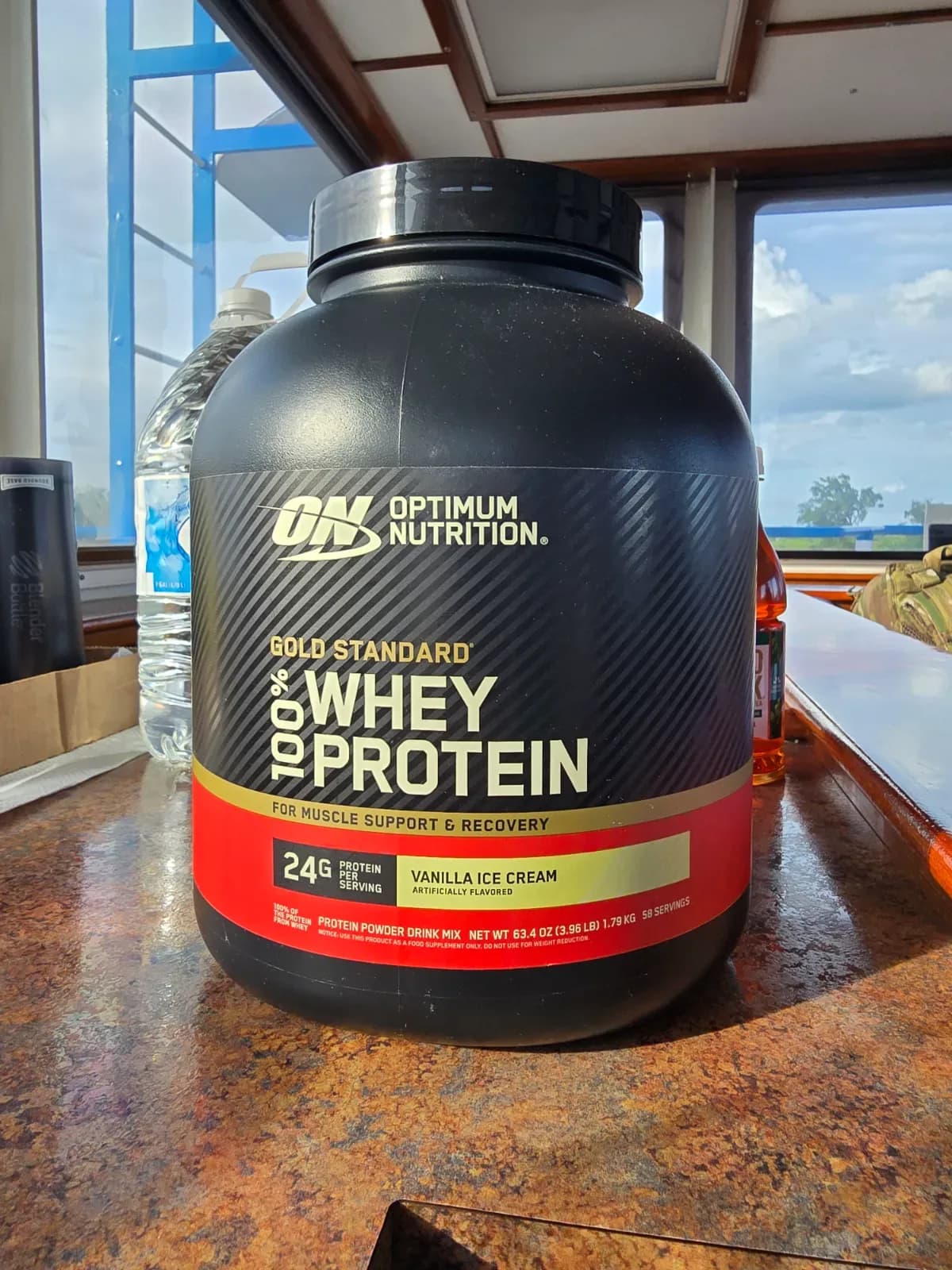
A 5-pound tub of a budget blend at $45 sounds better than Gold Standard at $60 — until you realize the budget blend is 40% soy-and-egg filler with a lower leucine concentration per serving. Pull up the label and divide the price by the number of servings. Then go one level deeper: divide that by the grams of whey isolate or leucine specifically. That's your real cost-per-serving.
In most head-to-head comparisons, Gold Standard Whey lands at roughly $0.75–$0.90 per 24g serving of high-quality protein. Generic blends often come out at $0.65 — but with 4–6g less usable protein per scoop once you subtract the filler proteins.
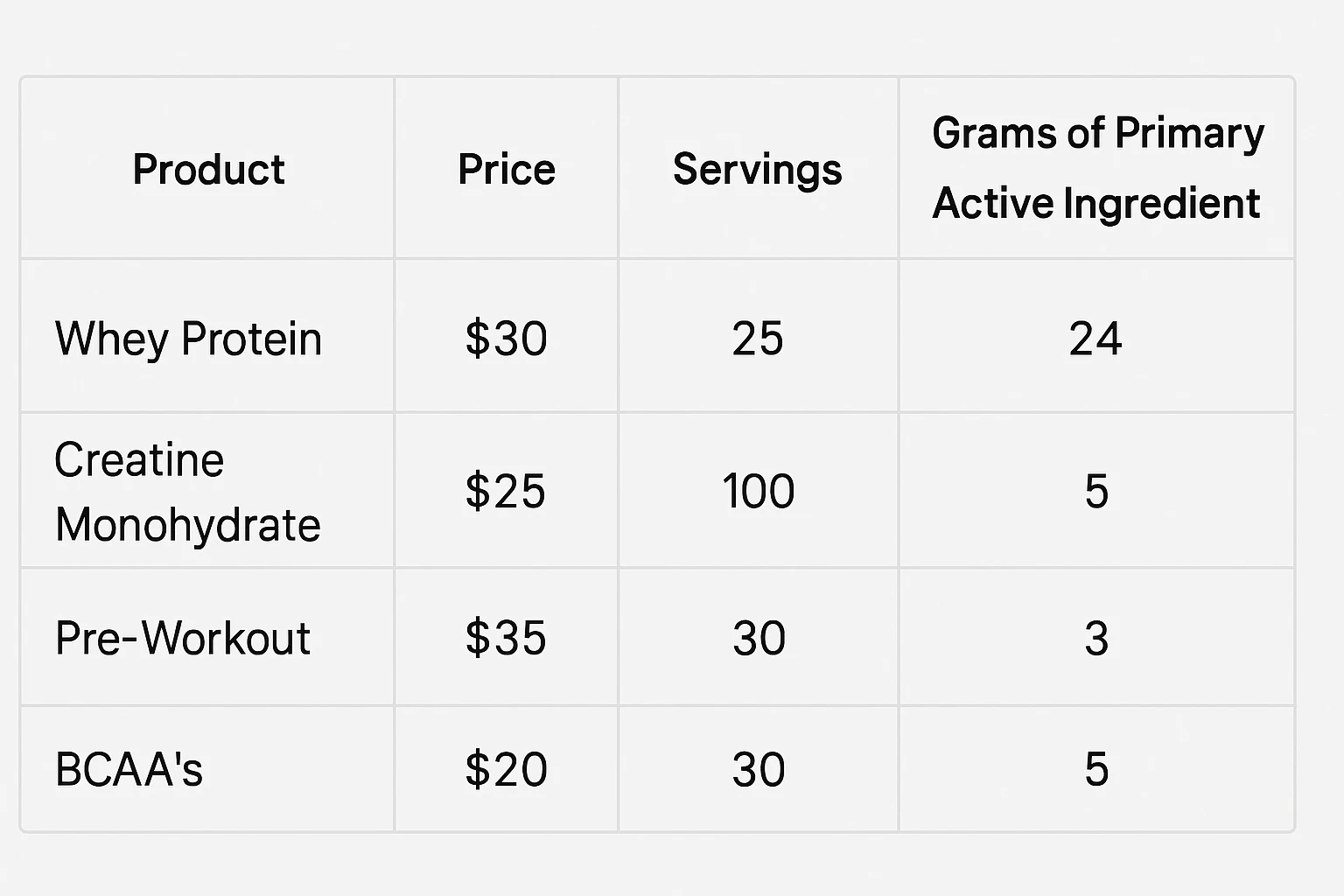
Practical takeaway: before your next supplement order, build a simple spreadsheet. Four columns — product, price, servings, grams of primary active ingredient. The best value stack almost always surprises you.
Real talk: not all protein is created equal, and the amino acid profile is where Gold Standard Whey earns its reputation in any serious supplement stack. Whey protein is ranked by its PDCAAS — Protein Digestibility Corrected Amino Acid Score. Whey isolate scores a perfect 1.0, meaning your body uses essentially all of it. Gold Standard leads with whey isolate, with concentrate and peptides rounding out the blend.
That structure delivers approximately 5.5g of BCAAs per serving, including roughly 2.7g of leucine — the specific amino acid that triggers muscle protein synthesis most powerfully. For a dad training in limited windows — maybe 45 minutes during the baby's nap or before a 6am watch rotation — hitting that leucine threshold fast matters. Research published in the Journal of the International Society of Sports Nutrition identifies 2.5–3g of leucine per serving as the threshold needed to maximally stimulate MPS. Gold Standard clears that bar in a single scoop.
The honest assessment: it mixes well, the flavor quality is above average, and the digestive tolerance is solid compared to concentrate-heavy competitors. Where it falls short is price sensitivity — when it's not on sale, it's one of the pricier options per tub. Watch for sales at major retailers and buy two at a time.
Practical takeaway: prioritize leucine content, not total protein grams, when comparing your protein options. I put together a full review of Gold Standard Whey on the site if you want the deeper breakdown. [link missing: optimum-nutrition-gold-standard-whey]
If there's one supplement with decades of peer-reviewed evidence behind it and a price point that makes every other product jealous, it's creatine monohydrate. Optimum Nutrition's unflavored, micronized version is the form I keep on the shelf.
Micronization reduces particle size, which improves mixability and absorption — no gritty sludge settling at the bottom of your shaker. Unflavored means zero added sweeteners, colors, or flavoring agents that add cost without adding function. ON's 114-serving tub delivers 5g per serving at a cost that lands well under $0.20 per dose. Nothing else in your stack comes close to that ROI.
The science is settled: 3–5g daily increases phosphocreatine stores in muscle, improving high-intensity output and recovery. A 2017 meta-analysis in the Journal of Strength and Conditioning Research confirmed creatine monohydrate outperforms every "advanced" creatine form — HCL, buffered, ethyl ester — in both efficacy and value.
Honest assessment: creatine does cause minor water retention in muscle tissue, which means your scale weight may tick up 1–3 pounds in the first week. That's intramuscular water, not fat — don't panic. If you're tracking weight for health reasons, log it and move on.
Practical takeaway: take 5g daily with food, skip the loading protocol if it causes GI issues, and stop overthinking it. Full review is on the site. [link missing: optimum-nutrition-creatine-monohydrate]
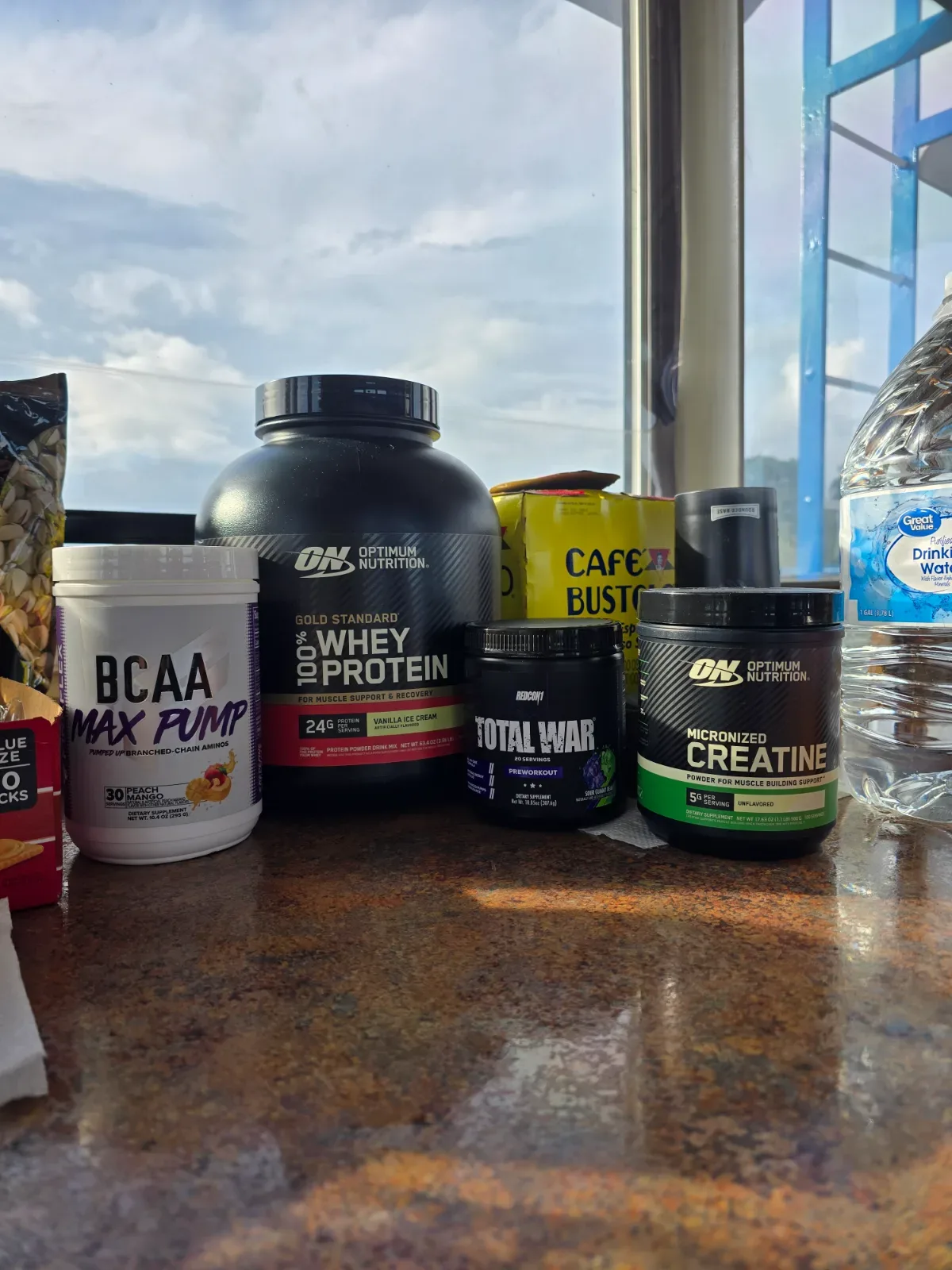
Total War by Redcon1 is a popular pre-workout, and it does some things right — but it also gives us a perfect case study in reading a label with both eyes open when optimizing your supplement stack.
What Total War discloses well: caffeine content is listed at 250mg per serving, which is a meaningful number for managing your total daily intake. Beta-alanine is listed at 3.2g — that's the clinically studied dose that supports muscular endurance. Citrulline malate is listed at 6g, which aligns with research-supported ranges for nitric oxide production and pump.
Where the red flags appear: several secondary ingredients — including the "Warzone Blend" — are listed as a proprietary blend with a combined weight but no individual breakdown. This means ingredients like taurine and agmatine could be present at effective doses or at token amounts. You cannot tell from the label.
For a dad with a 45-minute window and a coffee habit, 250mg of caffeine stacked on top of a morning cup puts you at 500mg before noon. That's worth knowing. The product delivers solid performance when the disclosed doses are driving the effect — just don't assume the proprietary portion is pulling equal weight.
Practical takeaway: check that caffeine, citrulline, and beta-alanine doses are fully disclosed before buying any pre-workout. Those three drive most of what you actually feel. Full label breakdown is in my Total War review on the site. REDCON1 Total War Pre Workout on Amazon
Here's where I'll push back on the "take BCAAs every day" crowd: if you're already hitting your protein targets with whole food and a quality whey, daily BCAA supplementation is largely redundant. Finaflex BCAA Max Pump is a solid product — but how you use it matters more than whether you use it.
BCAA Max Pump brings a 2:1:1 leucine-to-isoleucine-to-valine ratio, which matches the research-supported blend for muscle protein synthesis support. The "Max Pump" side of the formula adds citrulline and additional pump-focused ingredients, which is where it separates itself from a bare-bones BCAA powder. If you're training fasted in the morning — something I do during boat hitches when meal timing gets compressed — that leucine hit before training provides a meaningful signal without a full meal.
The honest assessment: the added pump ingredients make it more expensive than a plain BCAA powder. If you're stacking it with Total War, which already has 6g of citrulline malate, you're doubling up on pump ingredients you may not need. Use one or the other situationally, not both daily.
Where it genuinely earns its place: fasted training sessions, long cardio over 75 minutes, or travel days when food quality drops and you can't guarantee protein intake. Deploy it with intention.
Practical takeaway: slot BCAA Max Pump into your calendar for specific contexts, not as a daily line item. Full review is on the site. FINAFLEX BCAA MAX PUMP on Amazon
Here's what separates a dad who gets results for 12 months versus the guy who plateaus by month two and starts chasing the next tub: periodization. The concept applies to your workouts and it applies directly to your supplement use.
For stimulant-based products — pre-workouts, anything with caffeine — I run an 8-week on / 2-week off cycle. During the off weeks, I drop to black coffee only. By week two of the break, caffeine sensitivity resets noticeably. When I come back to a full pre-workout dose, it hits the way it did on day one. Without the cycle, tolerance builds and you end up taking more to get the same effect, which burns through tubs faster and taxes your adrenals.
Creatine and protein require no cycling — they're non-stimulant, non-hormonal, and can run year-round without diminishing returns. BCAA Max Pump is best deployed situationally: fasted training, long cardio sessions, or travel days when food quality drops. Taking it daily when you're already hitting protein targets is just burning money.
From my time on the boat — 14 days on, 14 days off, 6-hour watch rotations — I use the off-boat hitch as my natural pre-workout reset. That schedule accidentally built one of the better stimulant cycling patterns I've ever run. If your schedule has natural breaks, use them.
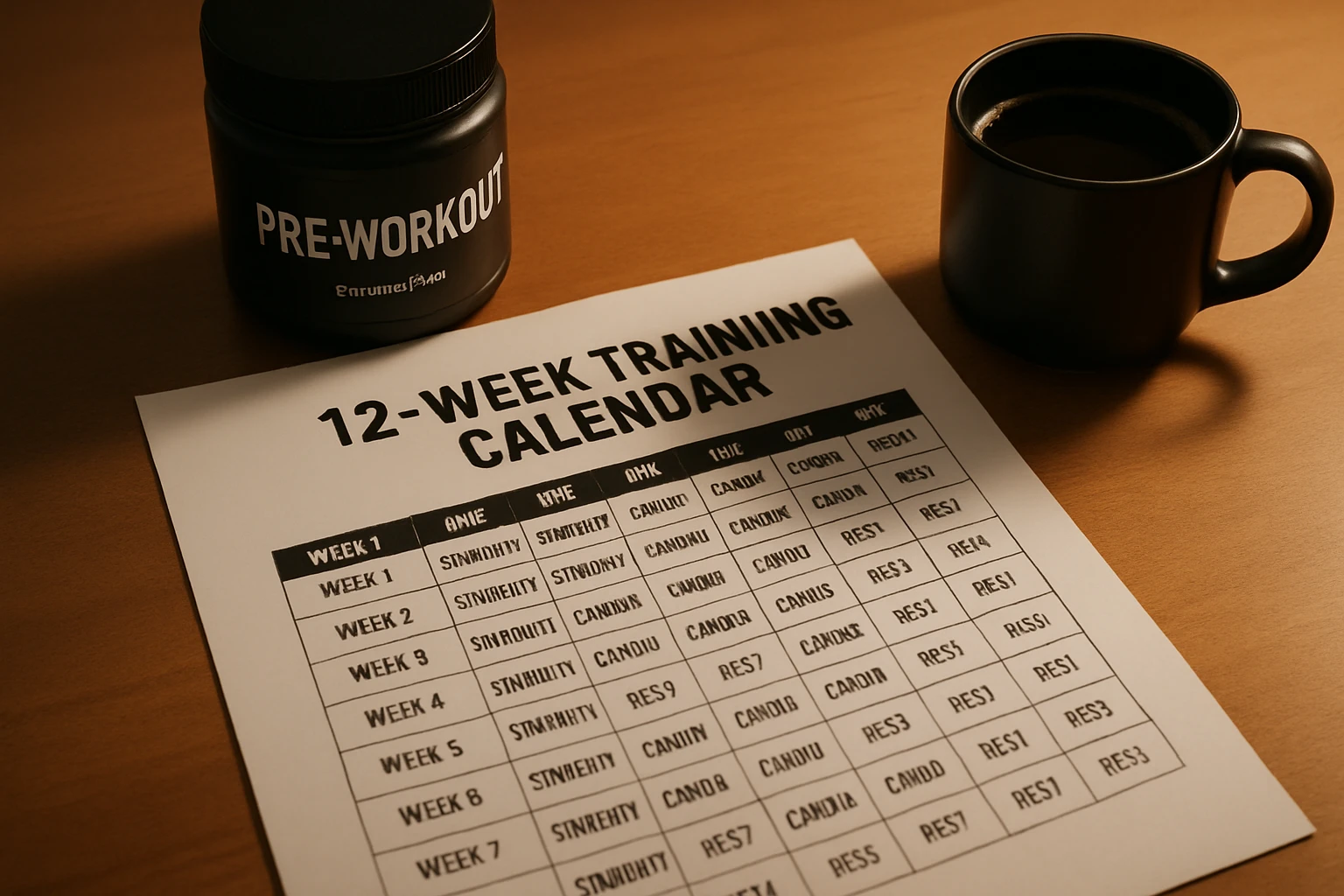
Practical takeaway: build a 12-week supplement calendar before you buy. Map your cycling windows and situational use cases — you'll spend less and get more.
Optimizing your supplement stack isn't about buying the most expensive products or chasing the newest formula — it's about understanding what each ingredient actually does, confirming the dose is real, and spending your dollars where the evidence is strongest. Gold Standard Whey for leucine density. ON Creatine Monohydrate for pure ROI. Total War for a pre-workout where the key doses are actually disclosed. Finaflex BCAA Max Pump for the specific contexts where BCAAs move the needle — not as a daily ritual. That's a honest, functional stack for under $100 a month, and I've put full reviews on each one on the site so you can go as deep as you need to. This week, pull your current supplement labels and run the cost-per-active-gram math I laid out in section one. Then build a 12-week calendar with your cycling windows mapped. That's the move. You don't need a new stack — you need a smarter plan for the one you already almost have.
FAQ
Ask the Boss
Got a follow-up on this one? Ask the Boss.
Liked this guide?
One email a week — only when there's something new. No spam. No sponsors.
Unsubscribe anytime.
Reviews
Guides

The Science-Backed Framework for Building Identity-Based Habits
Forget willpower — here's the identity-based habit framework, backed by real research, that actually changes who you are.

The Science Behind Dad Brain And How Fatherhood Changes You
Fatherhood doesn't just change your schedule — it physically rewires your brain. Here's the science every new dad needs to understand.

Razor Rash? Here's Our #1 Shaving Hack for Men.
Sink shaving is costing you time and wrecking your neck. Here's the one switch that kills razor rash and buys back 5–8 minutes every morning.
Check out the upcoming items on our bench list
— Boss Daddy Gear