Killing the ants you see does nothing to the colony you don't — real elimination means identifying the species, sealing entry points, cutting off food sources, then using slow-acting bait that workers carry back to the queen. Sprays feel satisfying but only thin the visible workers; patient baiting paired with basic exclusion work is what actually ends an infestation for good.
Here's the deal: I watched a line of ants march across my kitchen counter straight toward my daughter's cereal bowl, and I did what every dad does first — grabbed the nearest spray can and went to war. Bad move. Real talk: killing the ants you see does nothing to the thousands you don't, and I learned that the hard way before I started treating this like the actual pest problem it is.
Here's what nobody tells you at the hardware store: the ants crawling across your counter are scouts, not the problem. A single colony can run tens of thousands of workers, all reporting back to one or more queens hidden somewhere you'll probably never see — inside a wall void, under a slab, or buried in your yard.
Ants communicate through pheromone trails. When a scout finds food, she lays a chemical breadcrumb trail back to the nest, and her sisters follow it like a highway. That's why wiping the counter with vinegar only buys you a few hours of peace — the trail data survives longer than the smell tells you.
Most household invaders in the U.S. break down into a few repeat offenders: odorous house ants (smell like rotten coconut when crushed), pavement ants, carpenter ants, and in warmer regions, Argentine or fire ants. Each species has different nesting habits, and treating a carpenter ant problem like a pavement ant problem wastes your time and money.
The practical takeaway: identify the species before you buy a single product. A quick photo comparison against extension-service ID guides takes five minutes and saves you weeks of guessing. Pros don't spray first and ask questions later — they ID the target, then build the attack around it.
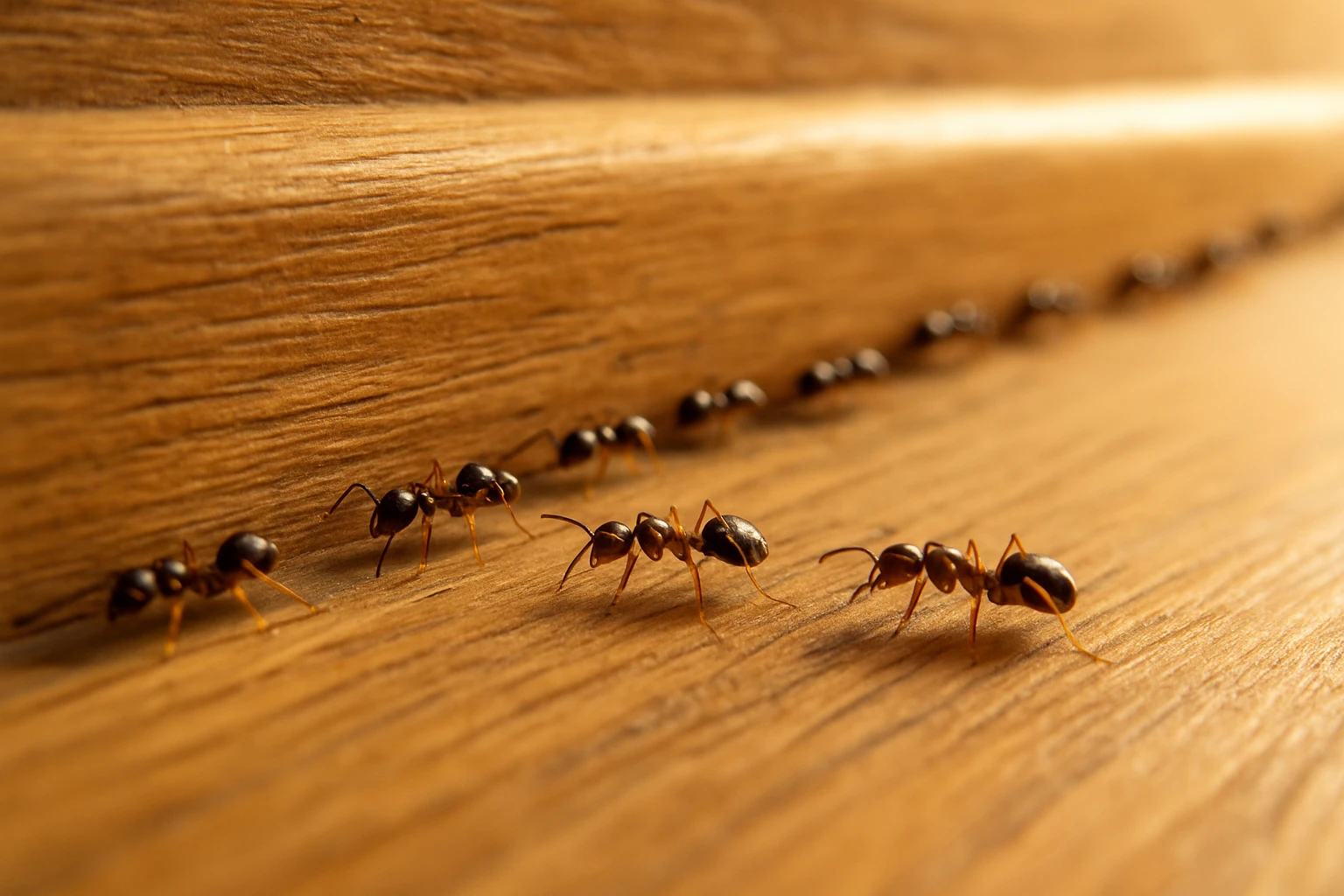
Chemical sprays kill on contact and feel satisfying, but here's the honest assessment: contact sprays are the least effective long-term tool in the box. They kill the workers you see, break the pheromone trail temporarily, and leave the queen laying more eggs the next morning while you feel like you won.
Non-toxic options — diatomaceous earth, borax-and-sugar mixes, essential oil barriers — work slower but hit differently. Diatomaceous earth is mechanical, not chemical; it shreds an ant's exoskeleton and dries it out from the inside. It's safe around kids and pets once dry, but it loses effectiveness when wet, so it's a poor choice for humid kitchens or rainy exterior perimeters.
Professional-grade baits — the kind pest companies actually use — split the difference. They combine a slow-acting active ingredient (usually fipronil, indoxacarb, or borax) with a food-based attractant the workers carry back and feed to the colony, including the queen. This is the method that actually ends an infestation instead of just thinning it.
Bottom line for a house with small kids: skip the aerosol sprays near floor level and countertops. Use enclosed bait stations instead — same killing power, zero exposure risk. If you've got a toddler who puts everything in her mouth, that's not a nice-to-have, that's the standard.
Here's the tactic that separates a guy who sprays randomly from a guy who actually eradicates ants like a pest expert: bait placement discipline. Pros don't dump bait everywhere — they place small amounts at multiple points along the actual foraging trail, because ants recruit more efficiently to several small food sources than one giant pile.
Use both gel bait and station bait simultaneously if you're dealing with a heavy infestation. Gel bait goes in cracks, along baseboards, and near entry points you've identified. Station bait goes in areas kids and pets can access, like under the sink or behind the fridge. Running both formats covers more ant preferences — some colonies favor sugar-based attractants, others go for protein or grease.
Patience is the actual skill here. Bait takes 24 to 72 hours to work through a colony because it relies on the workers carrying it home and feeding it to the queen and larvae. If you see MORE ants after placing bait, that's not failure — that's the trail working. Don't panic and spray over it; you'll kill the messengers and stall the whole operation.
One more pro move: rotate bait active ingredients if a colony seems resistant after two weeks. Some ant populations develop tolerance to a single formula, and switching from a borax-based bait to a fipronil-based one often breaks the stalemate fast.
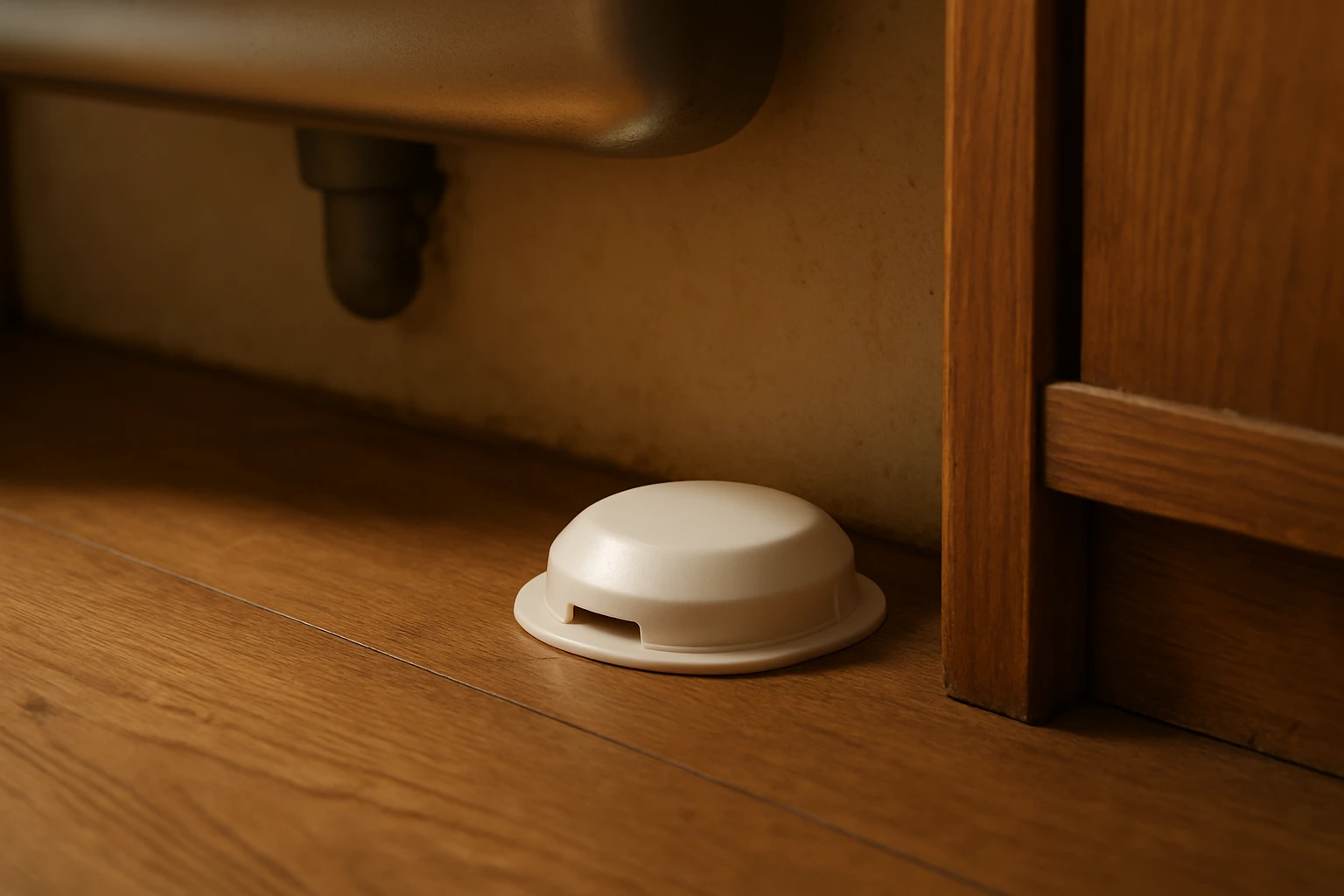
Integrated Pest Management sounds like corporate jargon, but it's really just the pro's disciplined version of common sense: identify, exclude, reduce attractants, then treat — in that order. Spraying first and identifying later is exactly backward, and it's why so many guys re-fight the same ant war every summer.
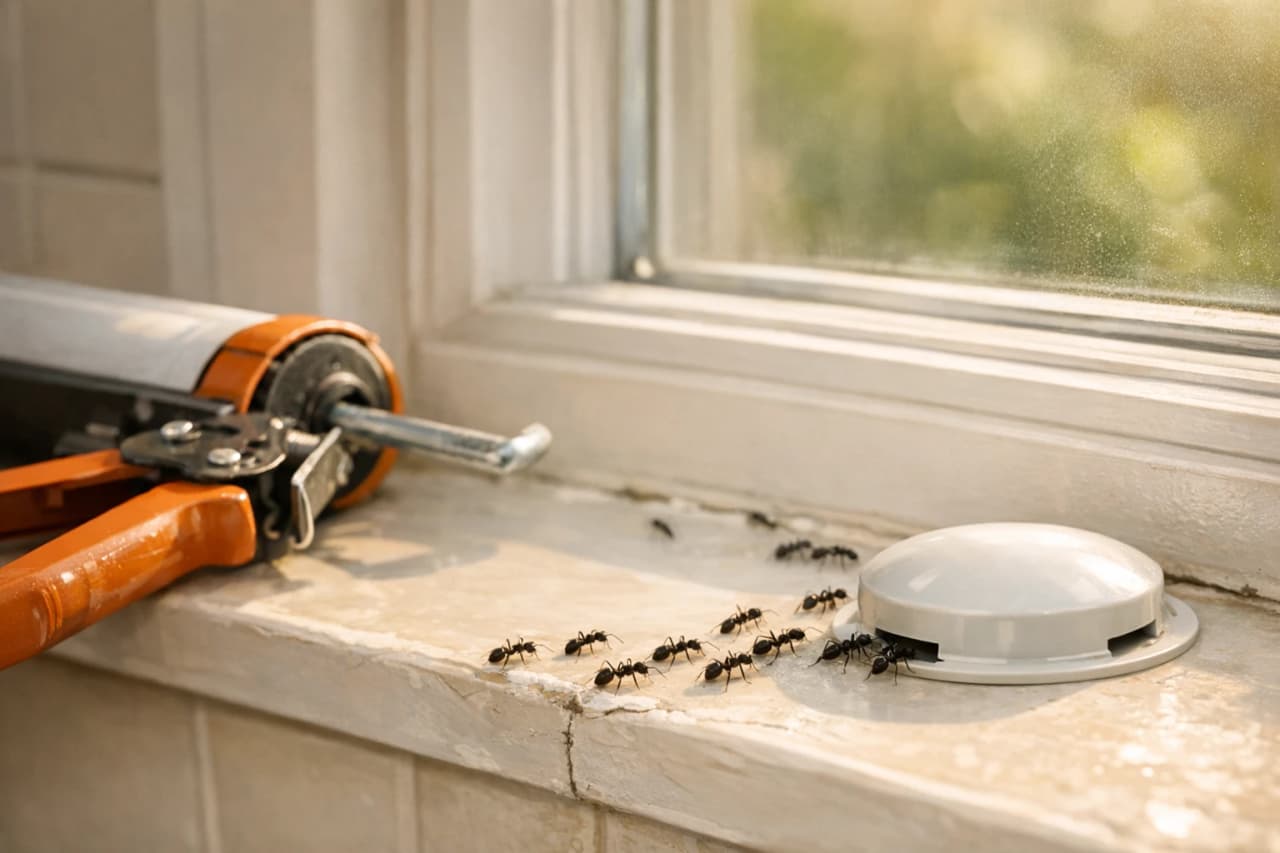
Exclusion means physically closing the doors ants use to get in. Caulk gaps around window frames, seal utility line penetrations, and check weep holes in brick veneer. I've sealed entry points on old construction projects that were basically ant highways — a five-dollar tube of caulk did more than any spray I ever bought.
Reducing attractants means denying the colony a reason to stick around. Wipe up spills same-day, store pantry sugar and cereal in sealed containers, and don't let pet food bowls sit out overnight. Ants are opportunists — remove the opportunity and half your problem disappears before you treat anything.
Treatment comes last in the IPM sequence, and it should be targeted, not blanket. This is the mindset shift that actually works: you're managing an ecosystem around your house, not fighting a single battle at the counter. Pros who do this for a living don't reach for a chemical first — they reach for a caulk gun.
Skip the mega-pack of assorted sprays at the big box store — that's retail marketing, not pest control strategy. Here's what shows up in an actual pro's truck: a caulking gun, a headlamp, a flashlight for tracing trails at night (ants are more active after dark than most guys realize), and a handful of targeted bait products.
For bait, look for products with a slow-acting active ingredient and a delivery format matched to your ant type — gel syringes for cracks and crevices, granular bait for outdoor perimeters, and enclosed stations for indoor high-traffic zones. Borax-based baits are the safer non-toxic entry point; fipronil and indoxacarb formulas are stronger but should stay in enclosed stations around kids.
Diatomaceous earth (food-grade) is worth keeping on hand as a dry-barrier tool around foundation cracks and exterior thresholds. A basic pest identification card or app helps you confirm species before buying anything — five minutes of ID saves you from buying the wrong bait entirely.
Honest assessment: none of these tools work instantly, and if you're expecting overnight results like a spray commercial promises, you'll be disappointed. The pro toolkit trades speed for actually solving the problem, which is the trade every dad should be willing to make once the kids are involved.
Winning the current battle means nothing if you're back here in three months. Pros run a monitoring cycle, not a one-time treatment — check bait stations every two weeks for the first month, then monthly after that, refreshing bait as it's consumed or dries out.
Walk your home's perimeter twice a year, spring and fall, and re-seal any new gaps you find. Houses shift, caulk cracks, and new entry points open up over time — this isn't a one-and-done job, it's maintenance, same as checking your smoke detector batteries.
Keep a simple log — even just notes on your phone — of where you've seen activity and when. Patterns emerge fast: if ants keep showing up near the same window every spring, that's your priority repair spot, not a mystery you re-solve every year.
The long-term truth: a house with tight exclusion, clean food storage, and a light standing bait presence rarely sees a real infestation again. Sometimes good enough is good enough — you don't need a pristine, ant-proof fortress, you need a house that's not worth the colony's effort to invade.
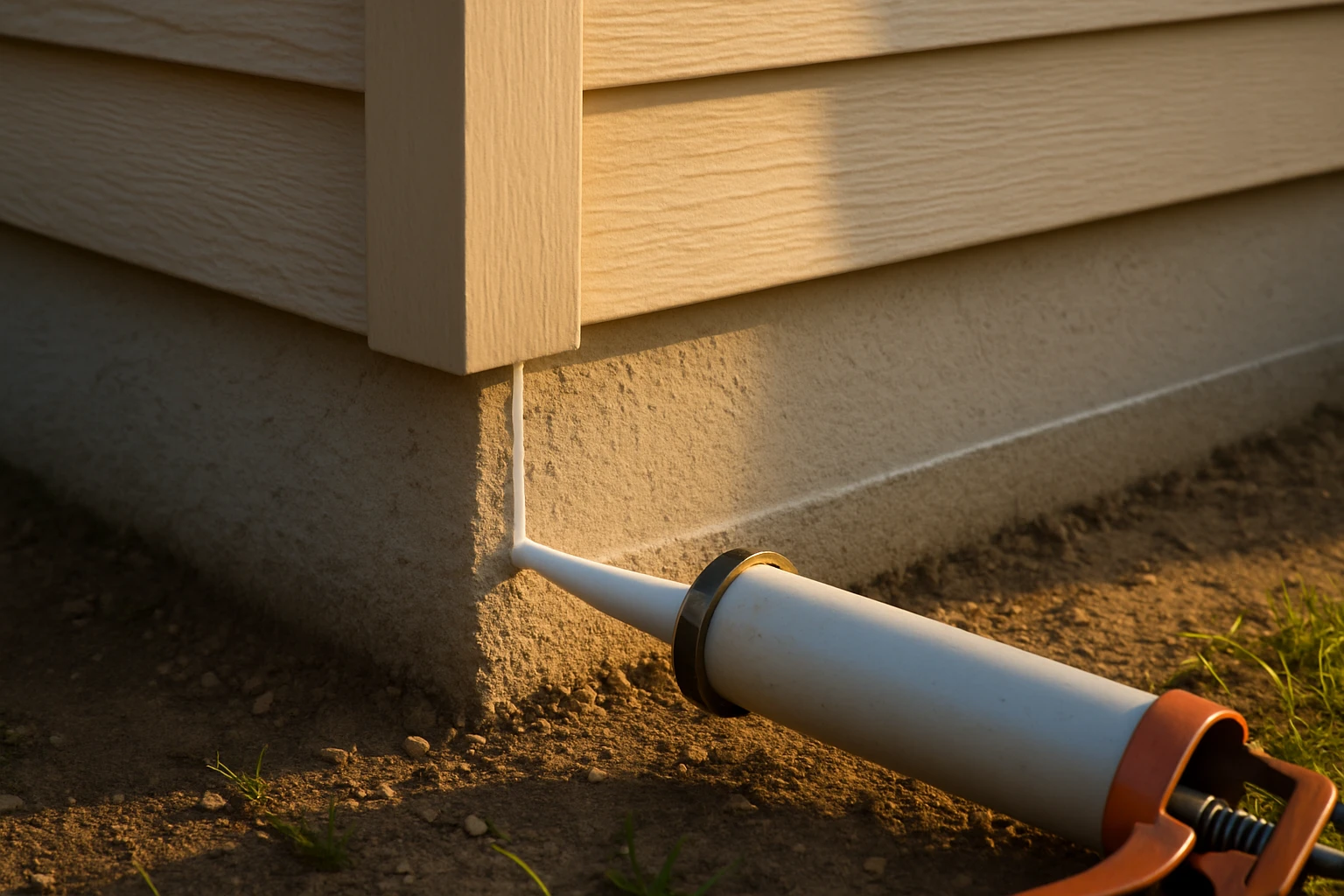
Real talk: eradicating ants like a pro isn't about finding the one magic spray — it's about sequencing the work the way pest experts actually do it. Identify the species, seal the entry points, remove the food incentive, then bait with patience and let the colony do the work of killing itself. Start this weekend with a fifteen-minute perimeter walk and a tube of caulk — that single step does more than any product on the shelf. God can move mountains, but you'd better bring a shovel, and in this case the shovel is a caulk gun and a little discipline over the next two weeks.
Common Questions
Liked this guide?
One email when there's actually something worth saying. Plus dad-tested stuff before they go up.
Reviews

Ask the Boss
Want tested gear that fits what this guide covers? Ask the Boss.
— Boss Daddy Gear